

From Components to Innovation: Malaysia's New Chapter in High-Tech Manufacturing
Malaysia has long been a quiet powerhouse in the global manufacturing landscape, particularly in the Electrical and Electronics (E&E) sector. For decades, we've been known for efficient assembly and reliable component production. But if you're a manufacturing company, supply chain manager, or B2B investor looking for a strategic base, it's time to update your perception. Malaysia is no longer just a low-cost assembly point; we are rapidly evolving into a hub for high-value, high-tech manufacturing and innovation.
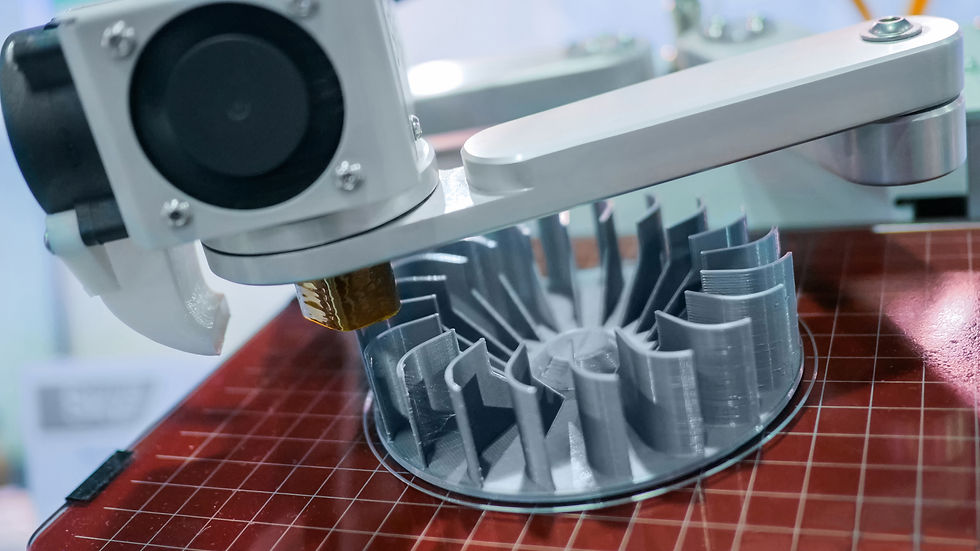
The Evolution: Beyond Assembly Lines
Our journey began in the 1970s with robust investments in E&E, establishing a deep talent pool and sophisticated infrastructure. Today, that legacy provides a powerful springboard for advanced manufacturing. This isn't just about making things; it's about making smarter things, with greater precision and technological complexity. We're seeing a clear shift towards:
Industry 4.0 adoption: Factories are integrating automation, AI, and IoT.
R&D and Design: More focus on localizing design and development capabilities.
Specialized Production: Moving into niche, high-margin areas.
NIMP 2030: Charting Malaysia's Industrial Future 🚀
The Malaysian government is driving this transformation with a clear vision: the New Industrial Master Plan 2030 (NIMP 2030). This ambitious roadmap is designed to elevate Malaysia's manufacturing sector by focusing on key strategic areas:
Aerospace: Positioning Malaysia as a regional hub for aircraft parts manufacturing, MRO (Maintenance, Repair, and Overhaul), and aerospace services.
Medical Devices: Attracting investments in the production of high-tech medical instruments, diagnostics, and healthcare technology.
Advanced Materials: Developing capabilities in cutting-edge materials that are critical for future technologies.
Digital & Green Technologies: Integrating sustainable practices and digital innovation across all manufacturing processes.
The NIMP 2030 aims to increase manufacturing's contribution to GDP, create higher-skilled jobs, and boost productivity through technology adoption, making it a crucial document for any potential investor.
Case Studies in Progress: Innovation in Action
Across Malaysia, from Penang's Silicon Valley to the industrial zones of Selangor, new examples of high-tech manufacturing are emerging:
Semiconductor Excellence: Malaysia remains a vital link in the global semiconductor supply chain, with companies continually upgrading facilities for advanced chip packaging and testing.
Electric Vehicle (EV) Ecosystem: Growing investments in EV component manufacturing and assembly, supported by government incentives to build a local EV ecosystem.
Biotechnology & Pharma: Expansion in the production of specialized pharmaceuticals and biotechnological products, often leveraging local expertise and research capabilities.
These projects showcase Malaysia's capacity to host complex, capital-intensive manufacturing operations.
Supply Chain Resilience: Malaysia as Your Strategic Hub 🔗
The recent global disruptions have highlighted the critical need for resilient and diversified supply chains. Foreign companies are increasingly looking at Malaysia as a vital component of their "China-plus-one" or regional diversification strategies.
Why Malaysia?
Robust Logistics: Well-developed ports (e.g., Port Klang), airports, and road networks.
Skilled Workforce: A strong base of engineers and technical staff.
Stable Environment: A predictable business and regulatory landscape.
ASEAN Gateway: Strategic access to the rapidly growing Southeast Asian market.
By establishing a manufacturing base here, companies can reduce risks, optimize logistics, and enhance their regional market access.
Investment Incentives and Policy Support: Your Advantage
The Malaysian government, through agencies like the Malaysian Investment Development Authority (MIDA), offers a compelling suite of incentives to attract high-tech manufacturing:
Pioneer Status (PS): Significant tax exemptions on statutory income for a period of 5-10 years for promoted activities and products.
Investment Tax Allowance (ITA): Allowances on qualifying capital expenditure that can offset taxable income.
Customs Duty Exemptions: For machinery and equipment not available locally.
Skilled Talent Support: Programs to develop and retain high-skilled local talent.
These incentives, coupled with a transparent regulatory environment and dedicated support from MIDA, make Malaysia an attractive destination for manufacturing companies seeking to innovate and grow.
Looking to expand your high-tech manufacturing capabilities? Explore Malaysia's evolving landscape and discover how our strategic policies and robust ecosystem can accelerate your innovation journey.


Comments